
Ancient Rivers: The Lifelines of Early Civilizations

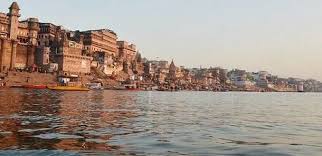
Since the beginning of human history, rivers have shaped the way people live, travel, farm, and build societies. Long before modern technology, ancient rivers acted as natural highways, sources of food and water, and foundations for some of the world’s earliest civilizations. Understanding ancient rivers helps us understand how human culture itself developed.
Why Rivers Were So Important in Ancient Times
Ancient people depended heavily on rivers for survival. Fresh water was essential for drinking, cooking, and washing, but rivers offered much more than that. Seasonal floods deposited fertile silt onto nearby land, making it possible to grow crops year after year. Rivers also supported fishing, provided clay for pottery, and allowed people to transport goods over long distances.
Because of these benefits, many early civilizations formed along major rivers. These waterways were not random locations—they were carefully chosen environments that allowed societies to grow and thrive.
Famous Ancient Rivers and the Civilizations They Supported
The Nile River
The Nile is often called the cradle of ancient Egypt. Flowing through an otherwise dry desert, it provided a reliable source of water and fertile soil. Annual floods made farming predictable, which helped Egypt develop a stable food supply. The river also served as a transportation route, connecting cities and enabling trade.
The Tigris and Euphrates Rivers
In Mesopotamia, often referred to as the “land between two rivers,” the Tigris and Euphrates supported some of the earliest known cities, including Ur and Babylon. Although flooding here was less predictable than in Egypt, irrigation systems allowed people to control water flow and grow crops. This region became a center for writing, law, and technological innovation.
https://www.effectivegatecpm.com/bie9kmj1j?key=ba20ebe663df84167a31d143ced22120The Indus River
The Indus River supported the Indus Valley Civilization, one of the most advanced ancient societies. Cities like Harappa and Mohenjo-daro featured planned streets, drainage systems, and standardized construction. The river made agriculture possible and connected communities across a large region.
The Yellow River (Huang He)
Known as the “Mother River of China,” the Yellow River played a major role in early Chinese civilization. While its floods were destructive, they also enriched farmland. Over time, people developed tools and techniques to manage the river, helping Chinese society grow and organize.
Ancient Rivers and Trade
Rivers were the main trade routes of the ancient world. Boats could carry far more goods than land travel, making rivers essential for commerce. Grain, metals, textiles, and tools moved along waterways, connecting distant regions and cultures. Through river trade, ideas, languages, and technologies spread, accelerating human progress.
Rivers in Religion and Mythology
Ancient rivers were often seen as sacred. Many cultures believed rivers were gifts from the gods or gods themselves. The Nile was associated with divine renewal, while rivers in Mesopotamia appeared in myths about creation and destruction. These beliefs show how deeply rivers were woven into daily life and spiritual understanding.
What Happened to Ancient Rivers?
Some ancient rivers have changed course, dried up, or become much smaller over time due to climate change, natural shifts, and human activity. Archaeologists use satellite images and soil analysis to trace ancient riverbeds, helping uncover lost cities and civilizations buried beneath the earth.
Why Ancient Rivers Still Matter Today
Studying ancient rivers helps modern society understand sustainable water use, agriculture, and urban planning. Many challenges faced today—such as flooding, drought, and water management—are similar to those encountered thousands of years ago. The solutions developed by ancient civilizations still offer valuable lessons.