
How to Reduce Hair Fall Naturally and Effectively

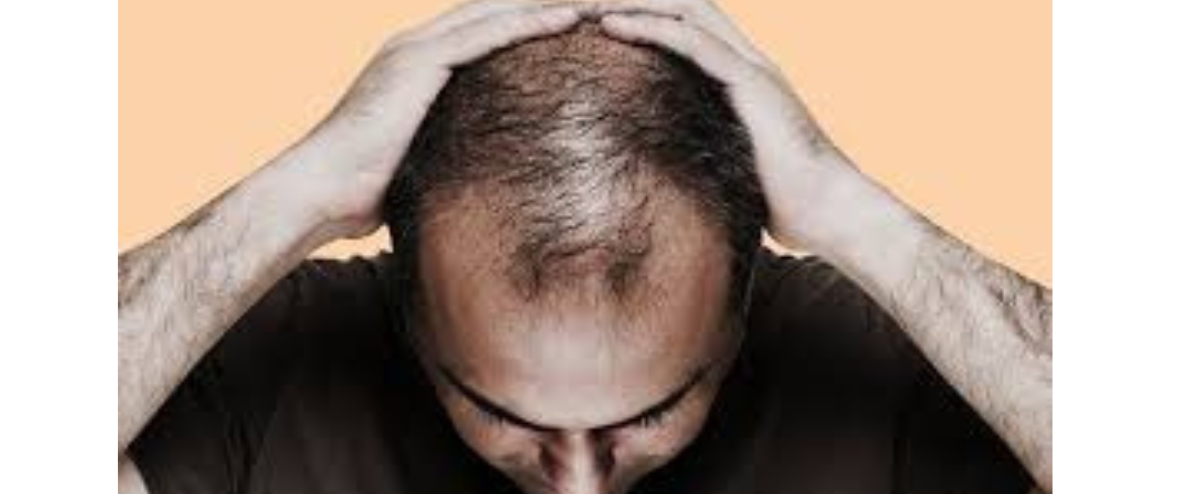
Hair fall is a common concern for people of all ages. While losing some hair every day is normal, excessive hair fall can be stressful and affect confidence. The good news is that hair fall can often be reduced by understanding its causes and following the right hair care and lifestyle practices.
In this article, we’ll explore the main reasons for hair fall and practical ways to control it naturally and effectively.
Common Causes of Hair Fall
Before trying to stop hair fall, it’s important to know why it happens. Some common causes include:
- Poor nutrition – Lack of essential nutrients like protein, iron, and vitamins
- Stress and lack of sleep – Emotional or physical stress can weaken hair roots
- Improper hair care – Excessive heat styling, tight hairstyles, or harsh chemicals
- Hormonal changes – Especially during puberty, illness, or growth phases
- Scalp problems – Dandruff, dryness, or infections
- Environmental factors – Pollution, hard water, and sun exposure
Natural Ways to Reduce Hair Fall
1. Maintain a Healthy Diet
Strong hair starts from within. Make sure your diet includes:
- Fresh fruits and vegetables
- Whole grains and nuts
- Protein-rich foods such as eggs, beans, lentils, and dairy
- Plenty of water to stay hydrated
A balanced diet supports healthy hair growth and reduces breakage.
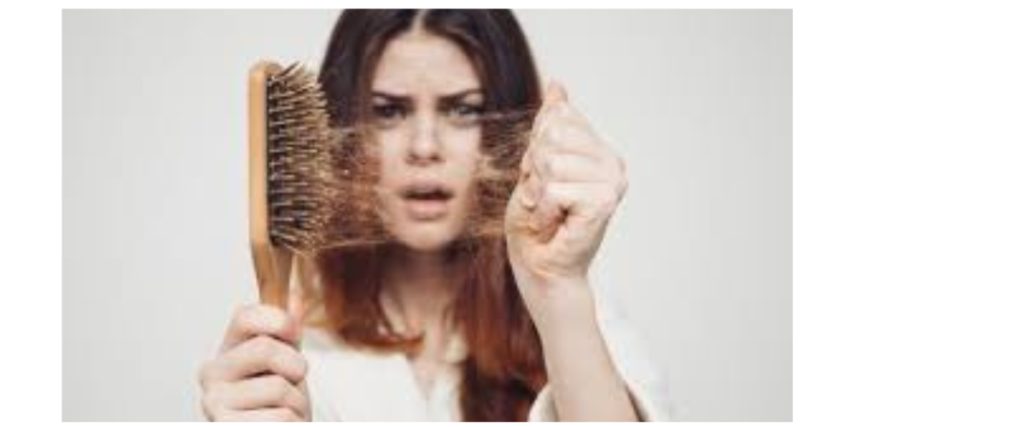
2. Oil Your Hair Regularly
Oiling nourishes the scalp and strengthens hair roots. Some beneficial oils include:
- Coconut oil
- Castor oil
- Almond oil
Gently massage oil into your scalp 1–2 times a week to improve blood circulation and reduce dryness.
3. Use Mild Hair Care Products
Choose shampoos and conditioners that are gentle and suitable for your hair type. Avoid products with harsh chemicals that can weaken hair over time. Washing your hair 2–3 times a week is usually enough for most people.
4. Avoid Excessive Heat and Styling
Frequent use of hair dryers, straighteners, and curling tools can damage hair. Let your hair air-dry when possible and avoid tight hairstyles that pull on the roots.
5. Keep Your Scalp Clean
A healthy scalp promotes healthy hair. Treat dandruff early and keep your scalp clean to prevent blocked hair follicles, which can lead to hair fall.
6. Manage Stress
Stress can interrupt the natural hair growth cycle. Try simple stress-relief techniques such as:
- Regular exercise
- Deep breathing or meditation
- Spending time on hobbies you enjoy
7. Be Gentle With Wet Hair
Hair is more fragile when wet. Use a wide-tooth comb and avoid rubbing your hair roughly with a towel after washing.
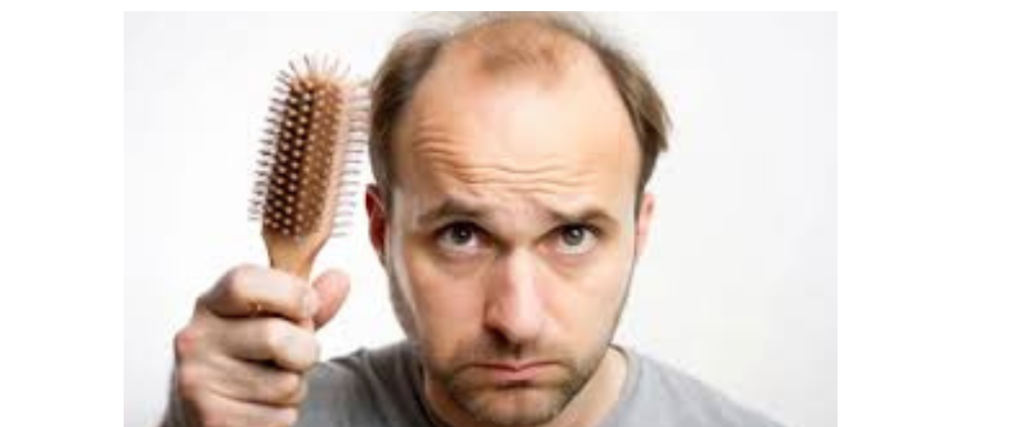
Home Remedies That May Help
Some natural remedies people commonly use include:
- Aloe vera for soothing the scalp
- Onion juice (used carefully) for scalp nourishment
- Fenugreek seeds soaked and applied as a paste
Always do a patch test before trying new remedies.
When to Seek Professional Advice
If hair fall continues despite good care, or if you notice sudden or patchy hair loss, it’s best to consult a qualified doctor or dermatologist. They can identify underlying causes and suggest appropriate treatment.
Final Thoughts
Hair fall is often temporary and manageable with the right care and healthy habits. By following a balanced lifestyle, gentle hair care routine, and staying patient, you can reduce hair fall and support stronger, healthier hair over time.
Consistency is key—small daily habits make a big difference.